
THE QUICK ANSWER
What to settle first.
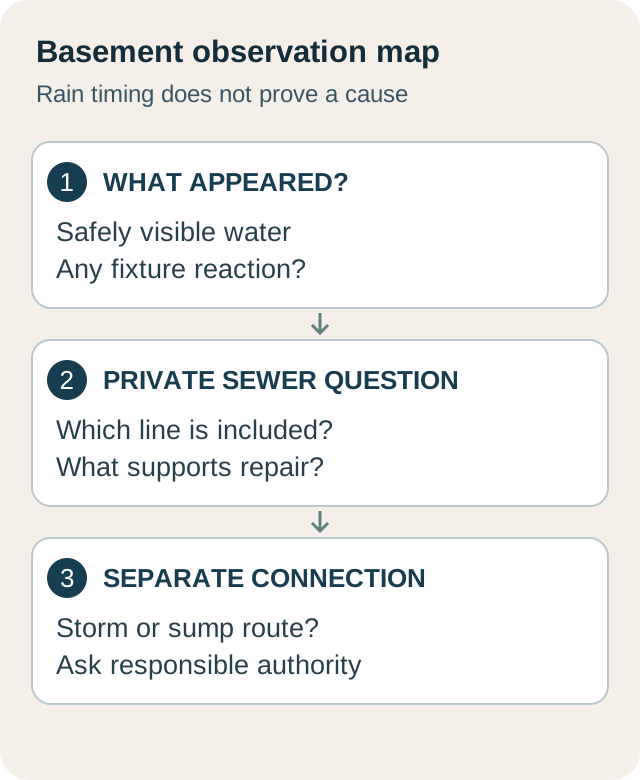
Report where water appeared and any fixture reactions without assuming rain identifies the failed line. Lexington separates sanitary and storm drainage and lists sump pumps among storm connections. Ask about the private sewer scope and raise uncertain sump connections with the responsible city office; do not reroute a pipe yourself.
AT A GLANCE
Three points to clarify.
Observation
Rain timing describes an event; it does not identify the defect.
Destination
Record a discharge destination as unknown until supported.
Separate scopes
Ask about the private sewer assessment; keep pump and storm-connection work separate.
01 / PLAN THE CONVERSATION
Separate the basement observation from the cause
Record when basement water was first noticed, its safely visible location and whether another fixture reacted during ordinary use. Rain at the same time does not establish whether water entered from outside, a private drain backed up or a pump failed. Keep those possibilities open rather than requesting a particular repair before assessment. Do not enter hazardous water to trace a line.
A hypothetical Lexington homeowner may see a pipe leave the basement but not know its destination. Write that as destination unknown. An exterior pipe, a floor drain and a sanitary connection are not interchangeable labels. Do not use this worksheet to certify the existing installation.
02 / PLAN THE CONVERSATION
Use the city guidance for the right question
Lexington Water Quality says its sanitary and storm systems are separate and lists sump pumps among items that should connect to the storm sewer. That published guidance gives you a question to raise about the actual discharge arrangement. It does not determine what is installed at your address or authorize a particular redesign.
If you received a city letter, keep the letter, address reference and requested action with your notes. Ask the responsible city office what documentation or inspection applies before authorizing changes. A private business should explain its proposed work and any approvals it will coordinate; do not assume a pump replacement also resolves a connection concern.
Call for Quote(833) 876-117603 / PLAN THE CONVERSATION
Keep the private sewer scope distinct
Use the sewer line service overview to ask which private line or connection the business can assess and what evidence supports the proposed work. Keep a pump or storm-drainage question separate. A sewer assessment does not automatically include sump replacement, excavation, electrical work or drainage redesign; ask about each proposed responsibility and approval.
Do not disconnect, reroute or test the discharge to recreate flooding. Keep people away from wastewater and wet electrical equipment. If the condition is unsafe, seek appropriate emergency or utility help rather than relying on a plumbing inquiry for emergency dispatch. After work, retain the checked arrangement and the unresolved questions together.
YOUR DECISION WORKSHEET
Rain-day basement observation and assessment record
| Record | Keep this detail | Question to settle |
|---|---|---|
| Rain-day water | Time and safely visible location | What needs qualified assessment? |
| Discharge destination | Existing drawing or unknown | Which authority confirms the connection? |
| Proposed sewer assessment | Included private line and exclusions | Who handles a separate sump or storm-connection concern? |
YOUR DISCUSSION CHECKLIST
Turn the conversation into clear answers.
Check an item once you have a recorded answer. These checks organize the conversation; they do not certify the design or work.
CALL-PREPARATION TOOL
Know what to say when you call.
Build a short outline from what you know. This does not submit a request or book service.
Your call notes
Questions to ask: Record the water observation without entering an unsafe area. Keep any city letter or existing connection drawing. Mark the discharge destination unknown when unsupported. Please confirm whether you handle the observed plumbing problem and assessment scope I describe and serve my address, plus any assessment fees and exclusions.
Common questions
Does the city guidance prove my sump is connected incorrectly?
No. It describes the drainage-system distinction. The actual connection needs address-specific evidence and the responsible authority’s guidance.
Should I disconnect the pipe before the visit?
Do not alter the connection to prepare for this discussion. Ask the responsible authority and qualified business what inspection and approved work are needed.
Sources and further reading
Lexington Water Quality: sump pump redirectQUESTIONS ABOUT PLUMBING?