
THE QUICK ANSWER
What to settle first.
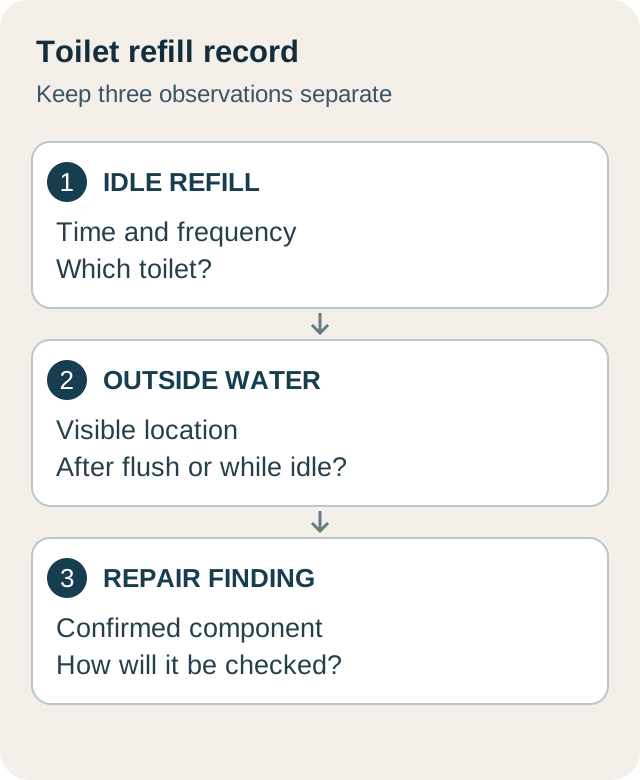
Record whether the toilet refills while nobody is using it, whether water appears outside it, and which toilet is affected. Ask the assessor to explain the confirmed fault and how the repair will be checked. A refill sound by itself does not identify the part to replace.
AT A GLANCE
Three points to clarify.
Idle refill
Record the sound while the toilet is unused.
Outside water
Keep visible moisture separate from tank symptoms.
Repair check
Ask how the original complaint will be checked after repair.
01 / PLAN THE CONVERSATION
Describe a cycle, rather than ordering a part
An occasional refill after a normal flush and repeated refilling while the toilet is unused are different observations. Write down when you notice the sound, approximately how often it repeats, and whether another fixture was in use. Keep the record tied to one bathroom; do not merge observations from two toilets into one symptom.
For example, a Lexington homeowner might hear the upstairs toilet refill twice overnight but see no water on the floor. That is a useful report, not proof that a particular valve or seal failed. EPA WaterSense identifies worn toilet flappers as a common source of household leaks, but the actual model and fault still need assessment.
02 / PLAN THE CONVERSATION
Keep outside moisture on a separate line
Record any visible moisture at the base, tank connection or nearby supply without touching wet equipment or loosening fittings. State whether it appears after flushing or remains while the toilet is unused. Water outside the fixture changes the work being discussed; it should not disappear from the call notes because a tank component seems plausible.
If the surrounding floor is wet, keep people away from slippery areas. Do not remove the toilet, force a shutoff or start dismantling the tank to collect evidence. A familiar water shutoff should only be used when it is safely accessible. Report any ongoing escape and ask what immediate qualified help is appropriate.
Call for Quote(832) 852-025603 / PLAN THE CONVERSATION
Agree on a check that matches the complaint
Use the fixture and toilet service overview to prepare two questions: what finding supports the proposed repair, and what observation afterward will show that the unwanted refill has stopped? Ask whether the visit includes checking the external connections if you reported moisture there.
Keep the component description, model compatibility, labor and any additional work in the written record. A quiet toilet immediately after one flush does not answer an overnight intermittent complaint. Ask what follow-up record the business wants if the symptom returns, and retain the repair date beside your original timing notes.
YOUR DECISION WORKSHEET
Toilet symptom and repair record
| Record | Keep this detail | Question to settle |
|---|---|---|
| Refill while unused | Time and frequency | Which finding identifies the fault? |
| Water outside the fixture | Location and when it appears | Is that connection included in assessment? |
| After the repair | Same observation period | What should I report if the sound returns? |
YOUR DISCUSSION CHECKLIST
Turn the conversation into clear answers.
Check an item once you have a recorded answer. These checks organize the conversation; they do not certify the design or work.
CALL-PREPARATION TOOL
Know what to say when you call.
Build a short outline from what you know. This does not submit a request or book service.
Your call notes
Questions to ask: Identify the bathroom and toilet being discussed. Record unwanted refill times without guessing the failed component. Describe outside moisture separately if it is visible safely. Please confirm whether you handle the observed plumbing problem and assessment scope I describe and serve my address, plus any assessment fees and exclusions.
Common questions
Does an occasional refill mean I need a new toilet?
It does not establish that replacement is needed. Ask for the assessed fault, compatible repair options and the finding that supports any replacement recommendation.
Should I count the sound as measured water loss?
No. Timing is a symptom record. It does not measure a volume or determine a bill adjustment; keep any actual meter readings and utility review separate.
Sources and further reading
EPA WaterSense: household leak observationsQUESTIONS ABOUT PLUMBING?